ARCH 1102: Design II // Cornell University School of Architecture, Art, and Planning
Spring 2021 // Professors: Felix Heisel and Sasa Zivkovic
Throughout the second semester, we explored material qualities and joinery methods to further answer the question of designing a library-bus stop along route 36 in Ithaca, NY.
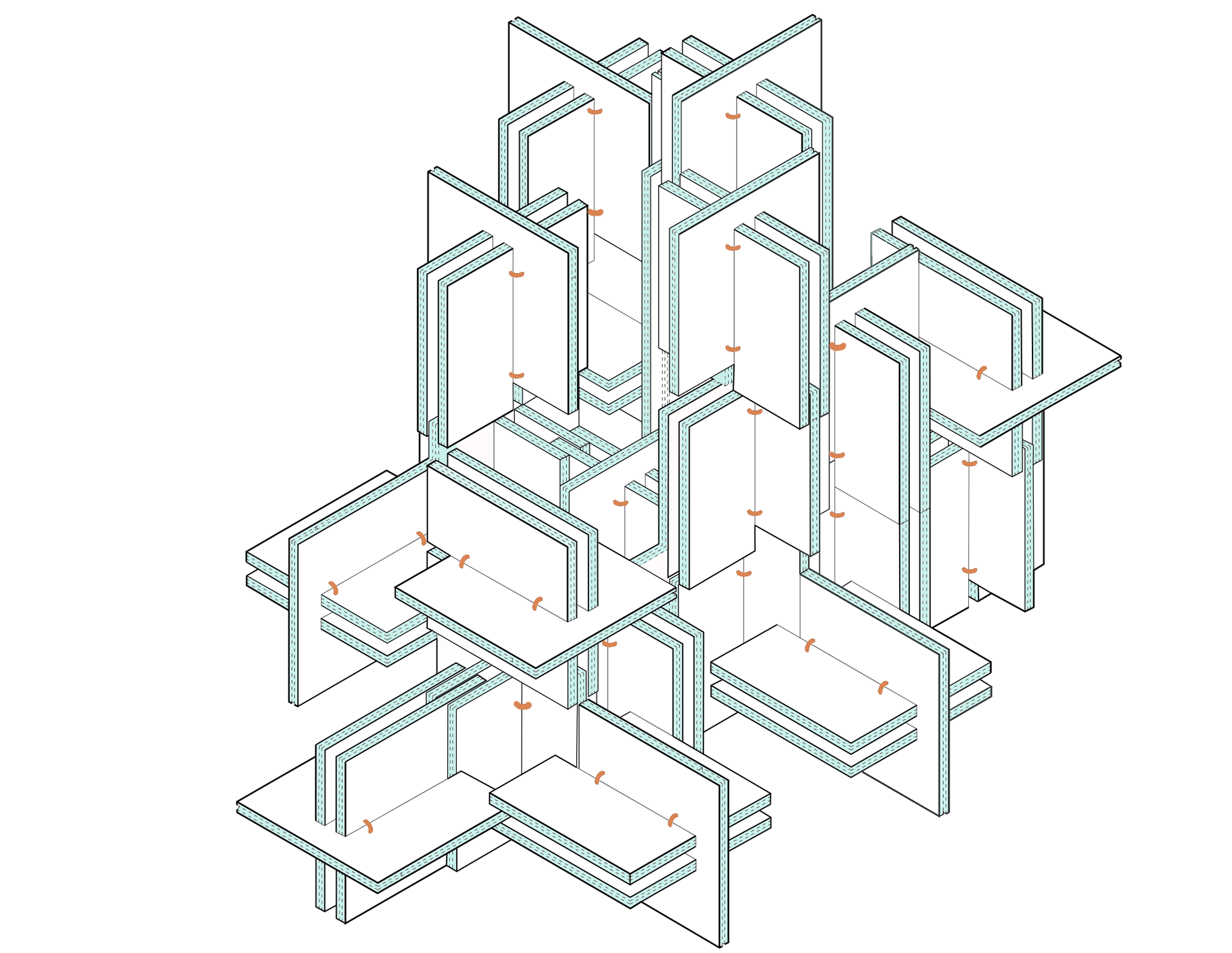
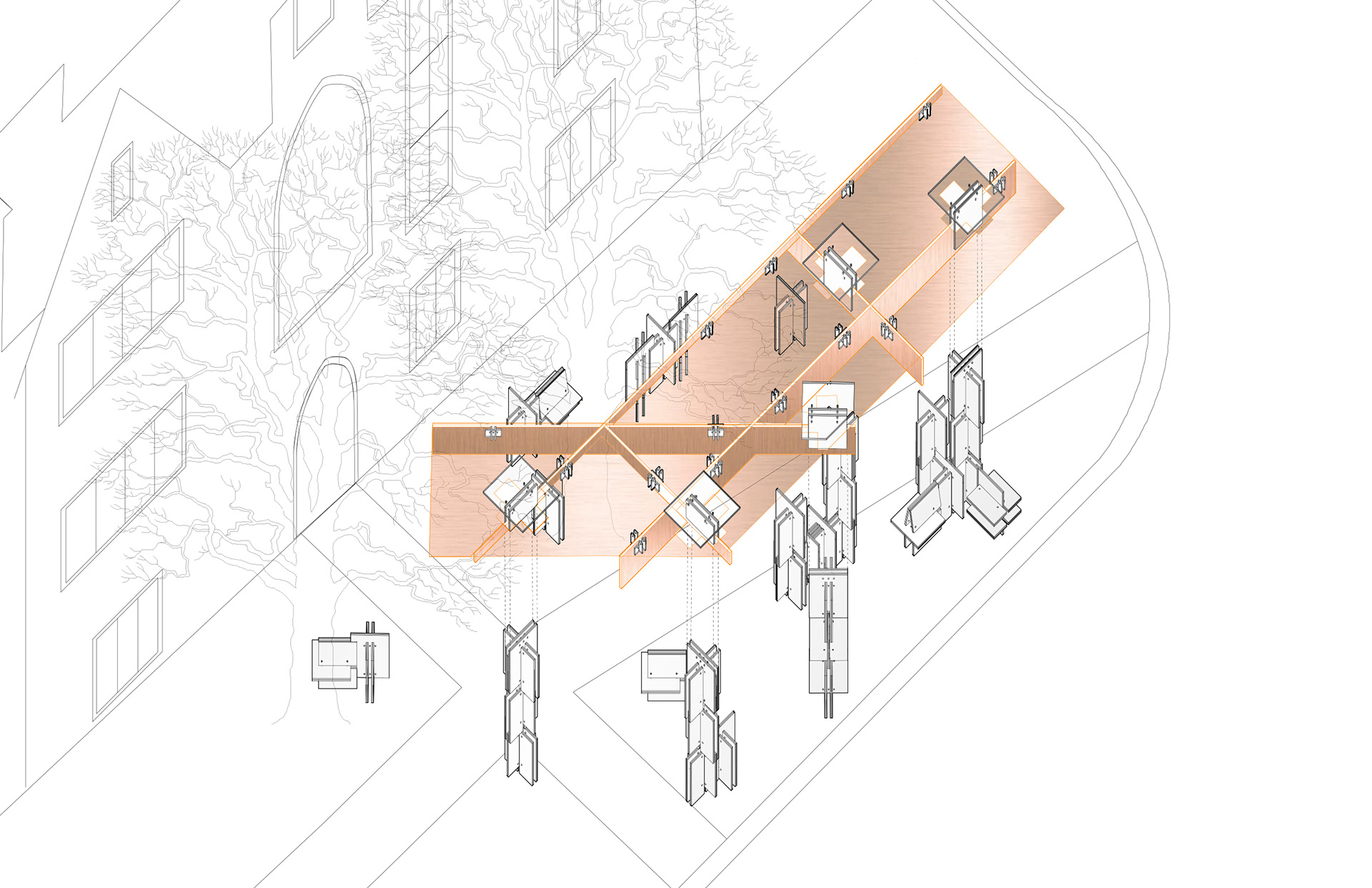
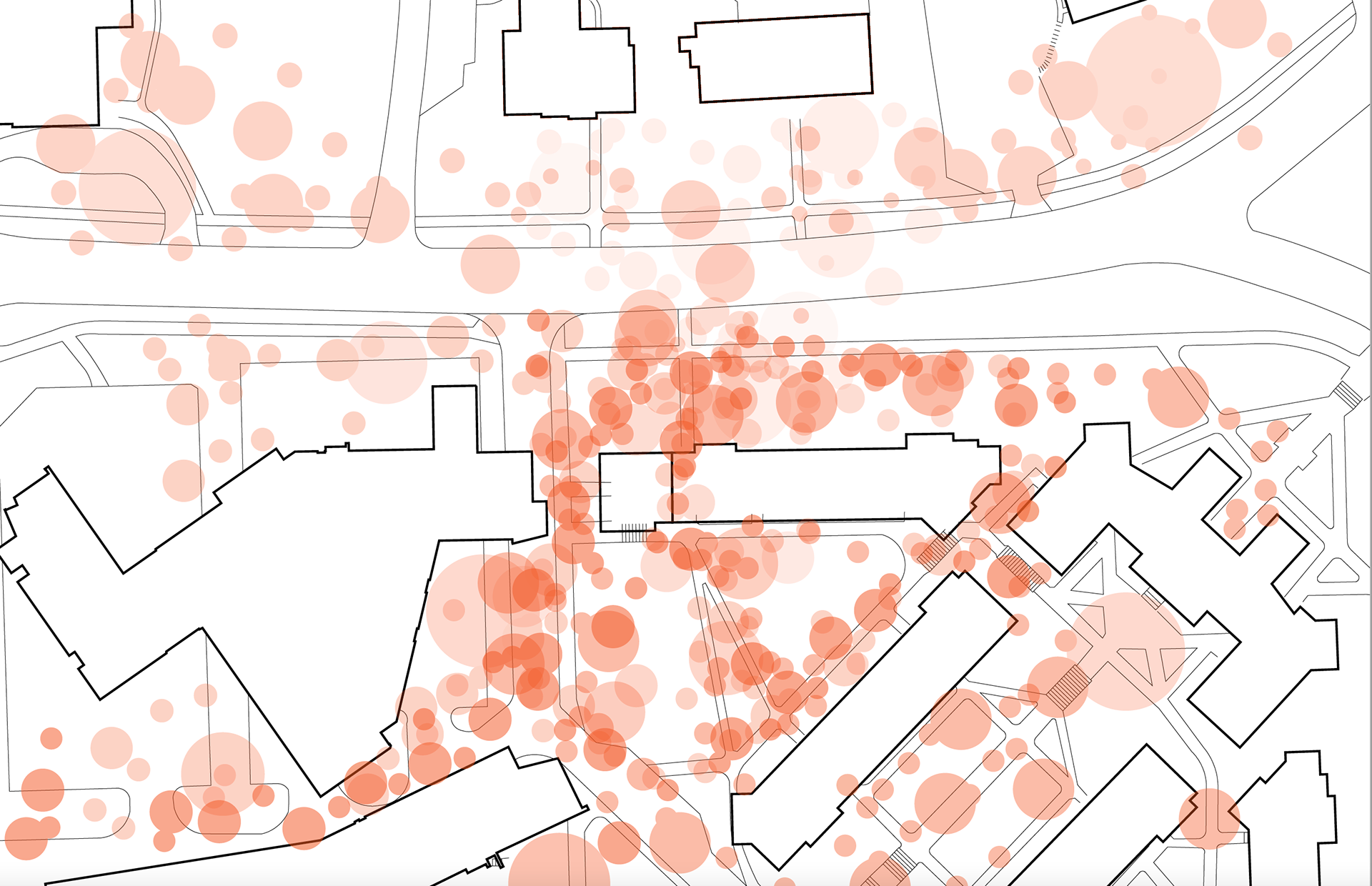
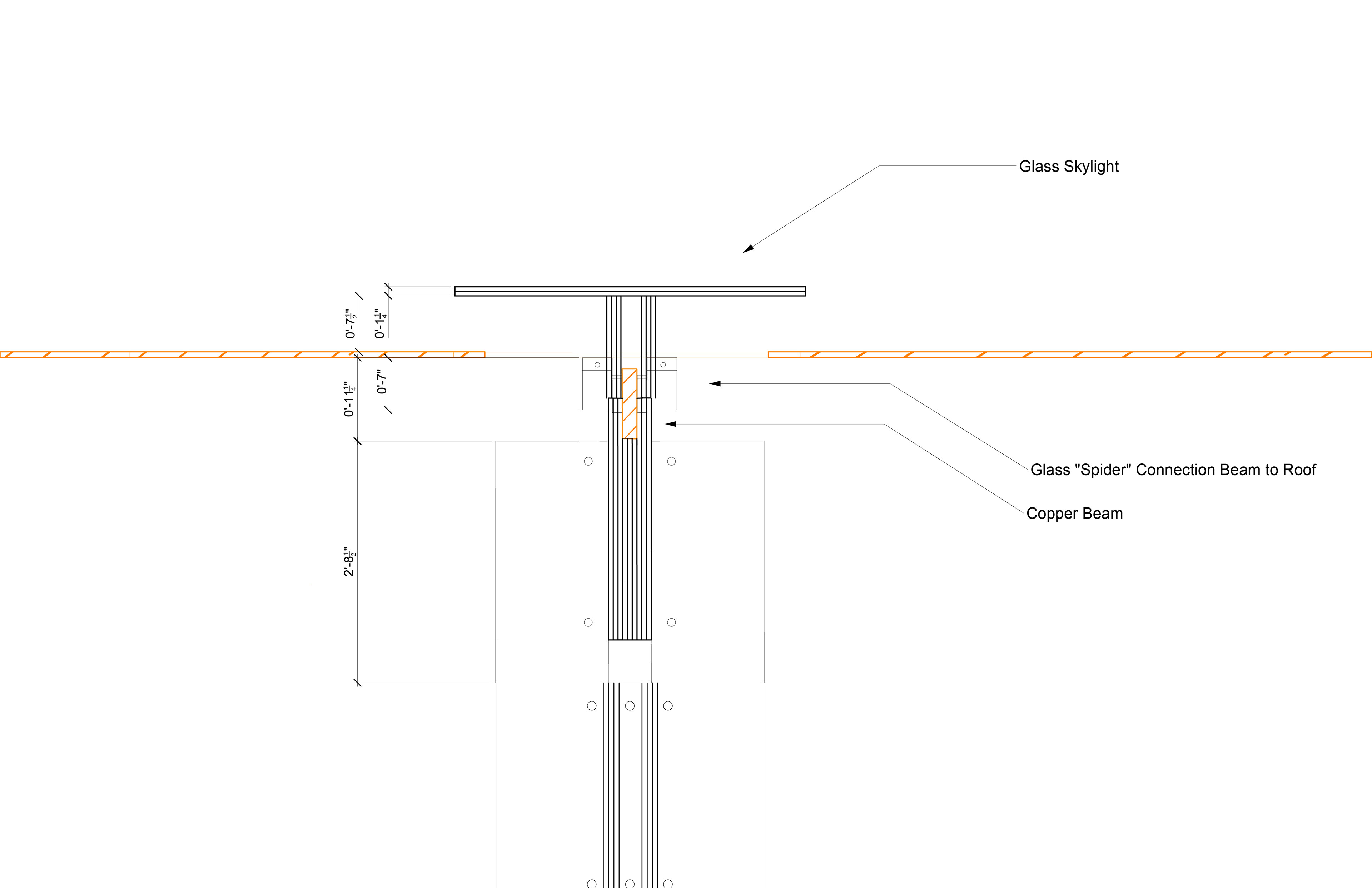
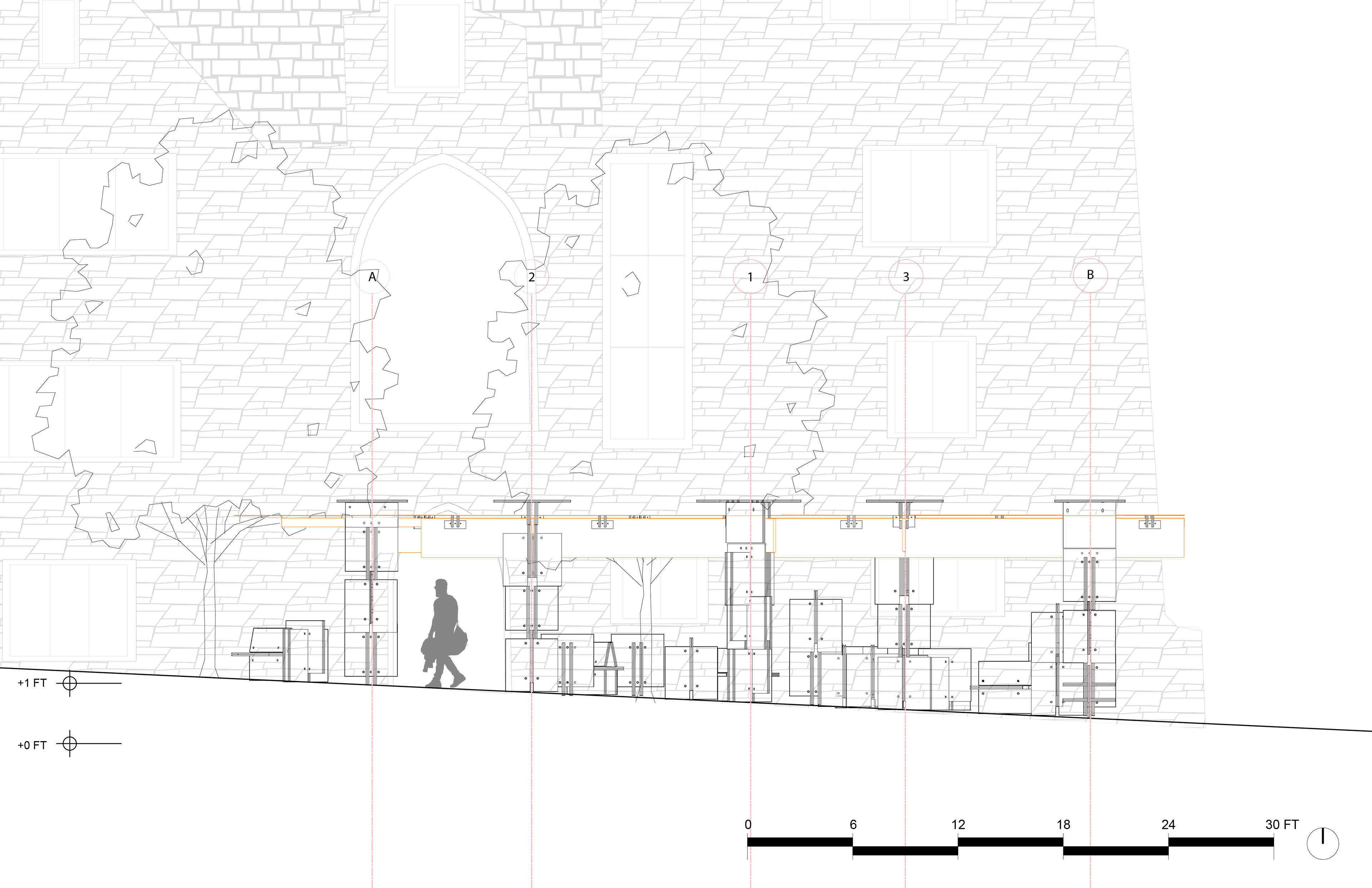
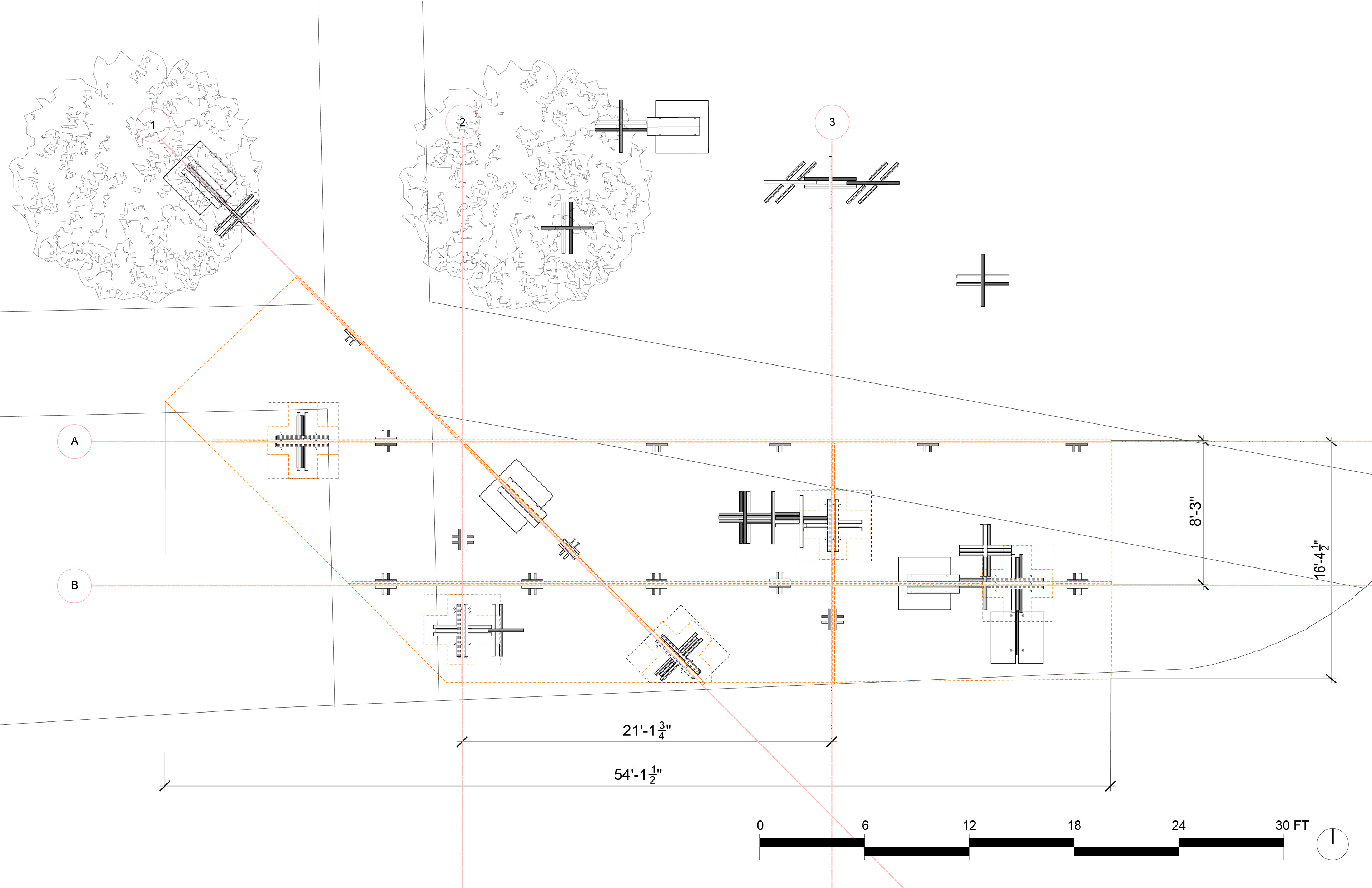
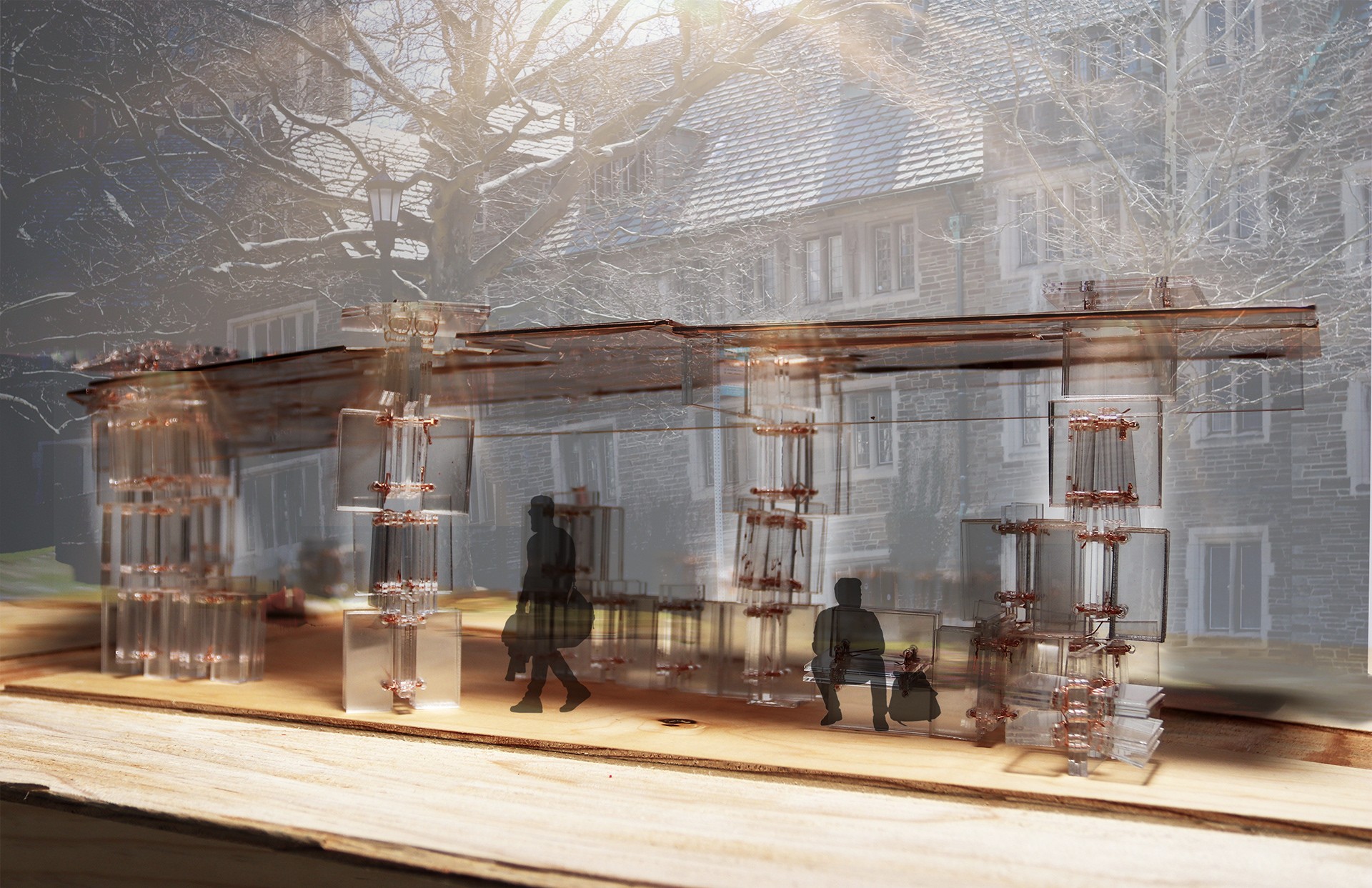
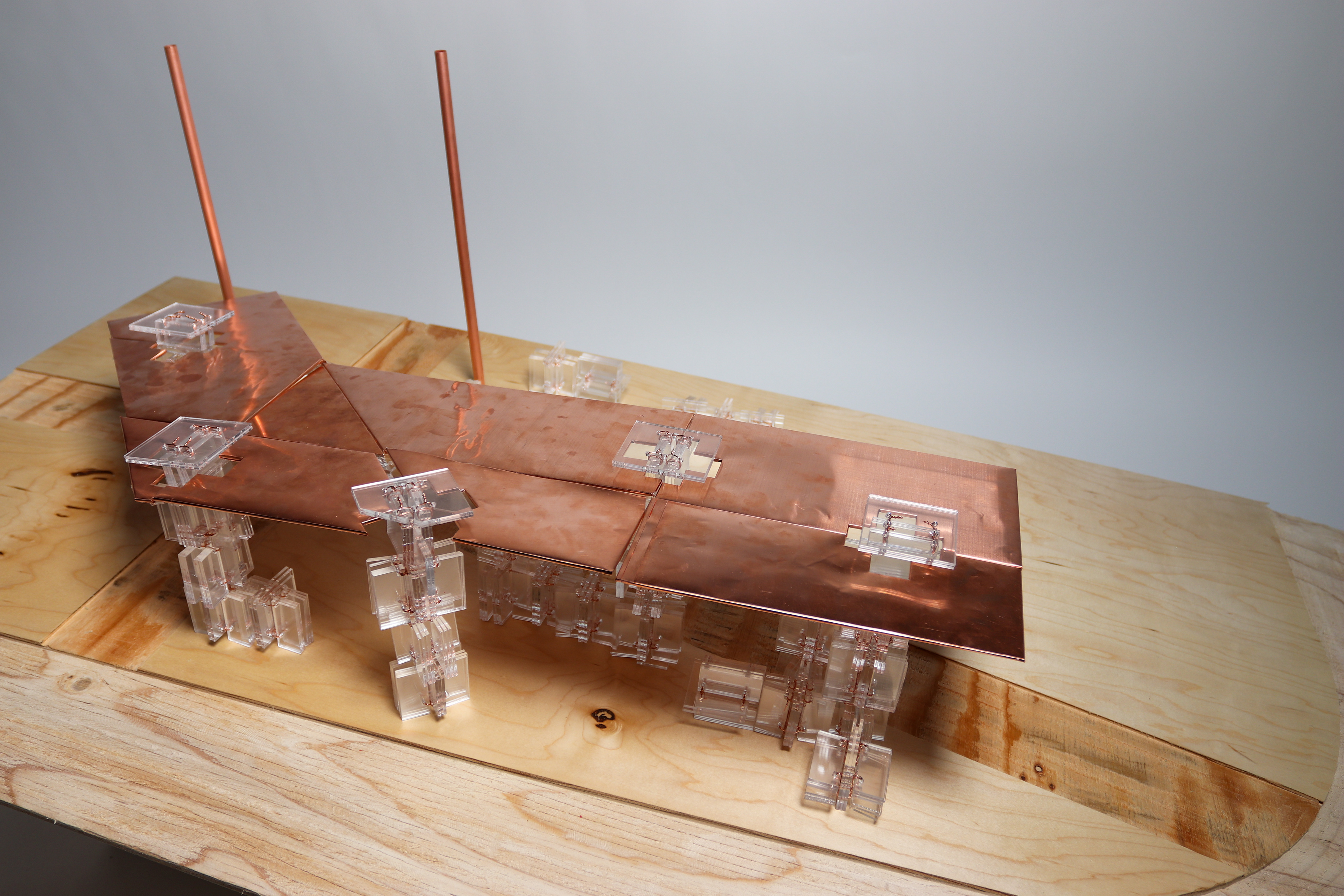
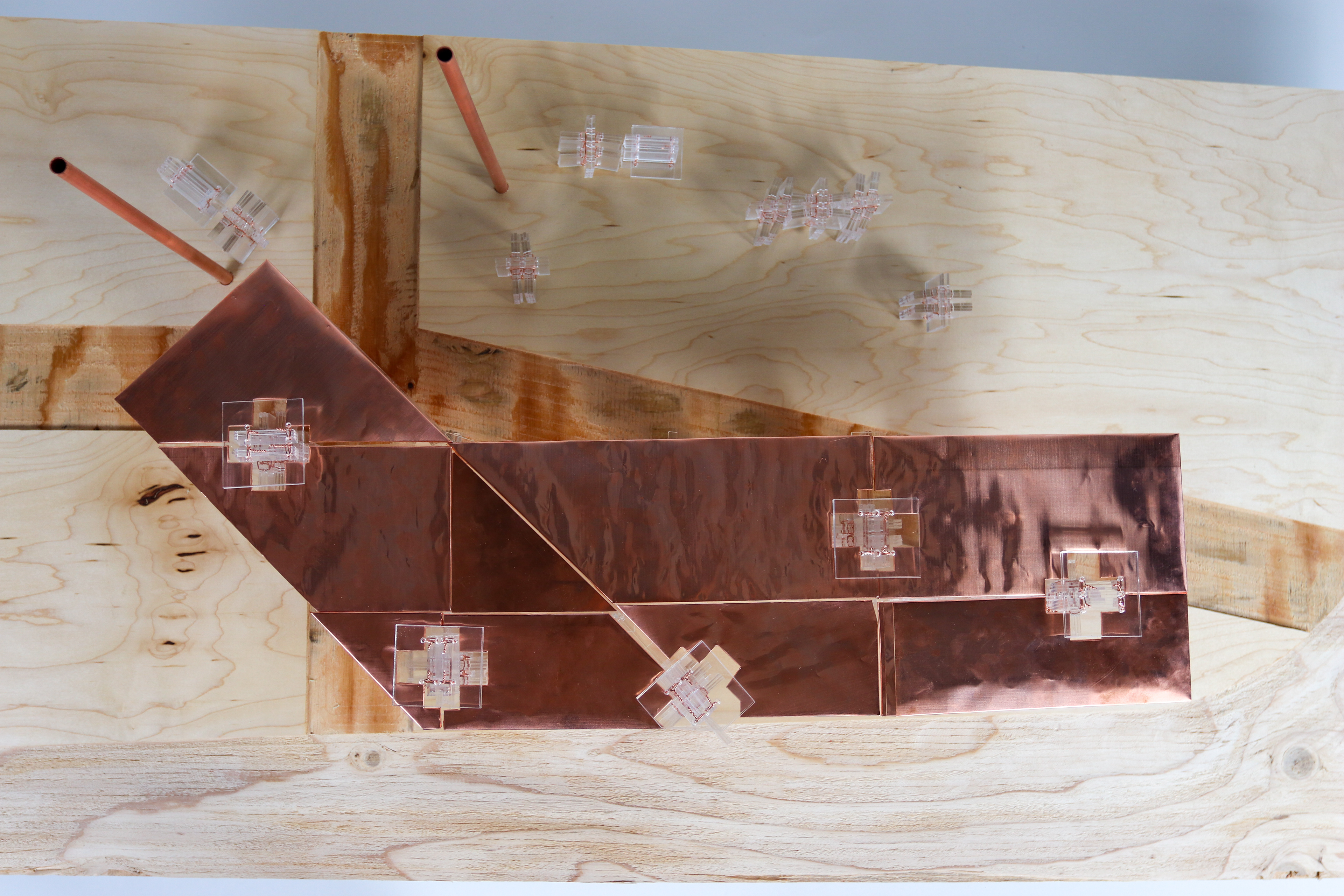
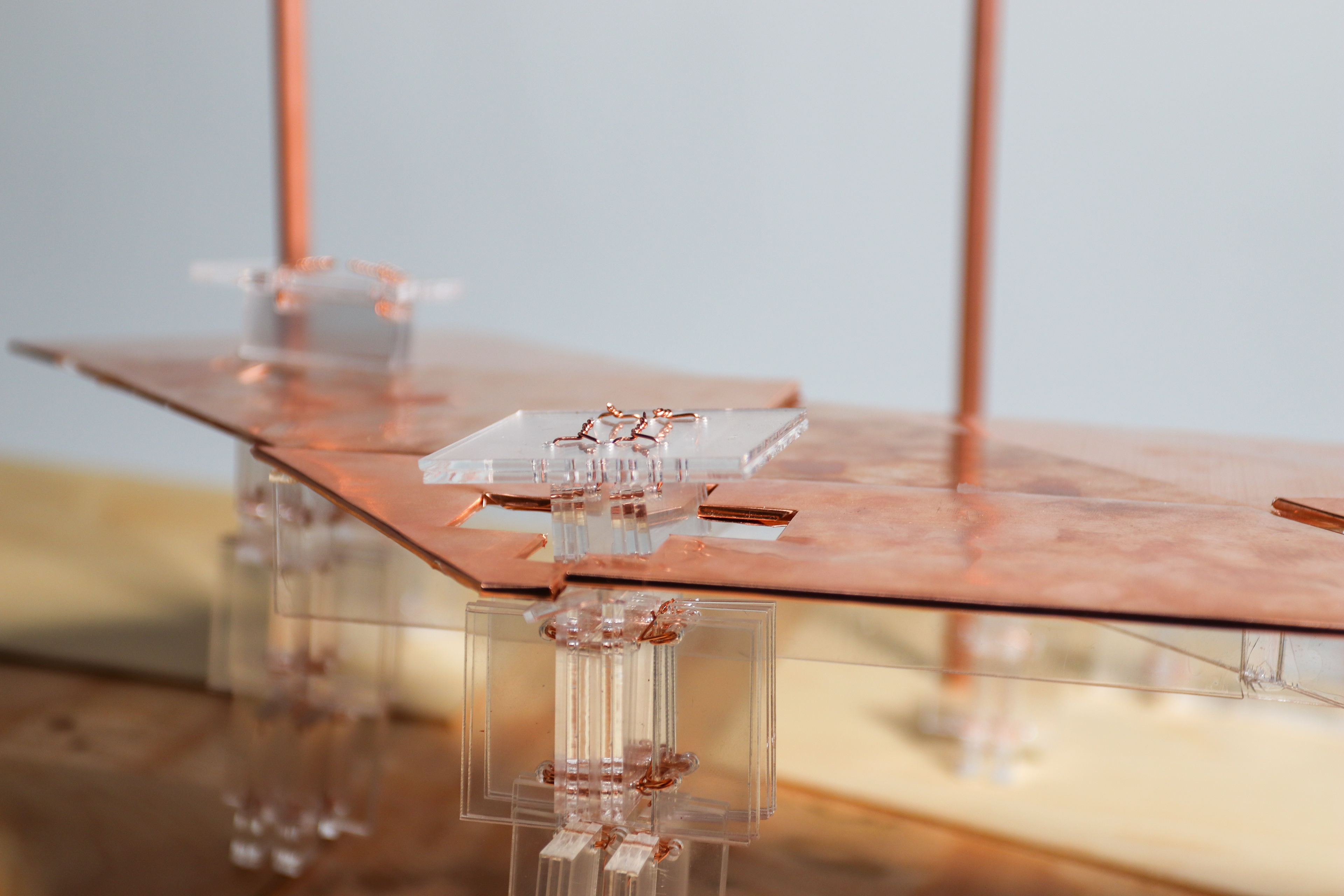
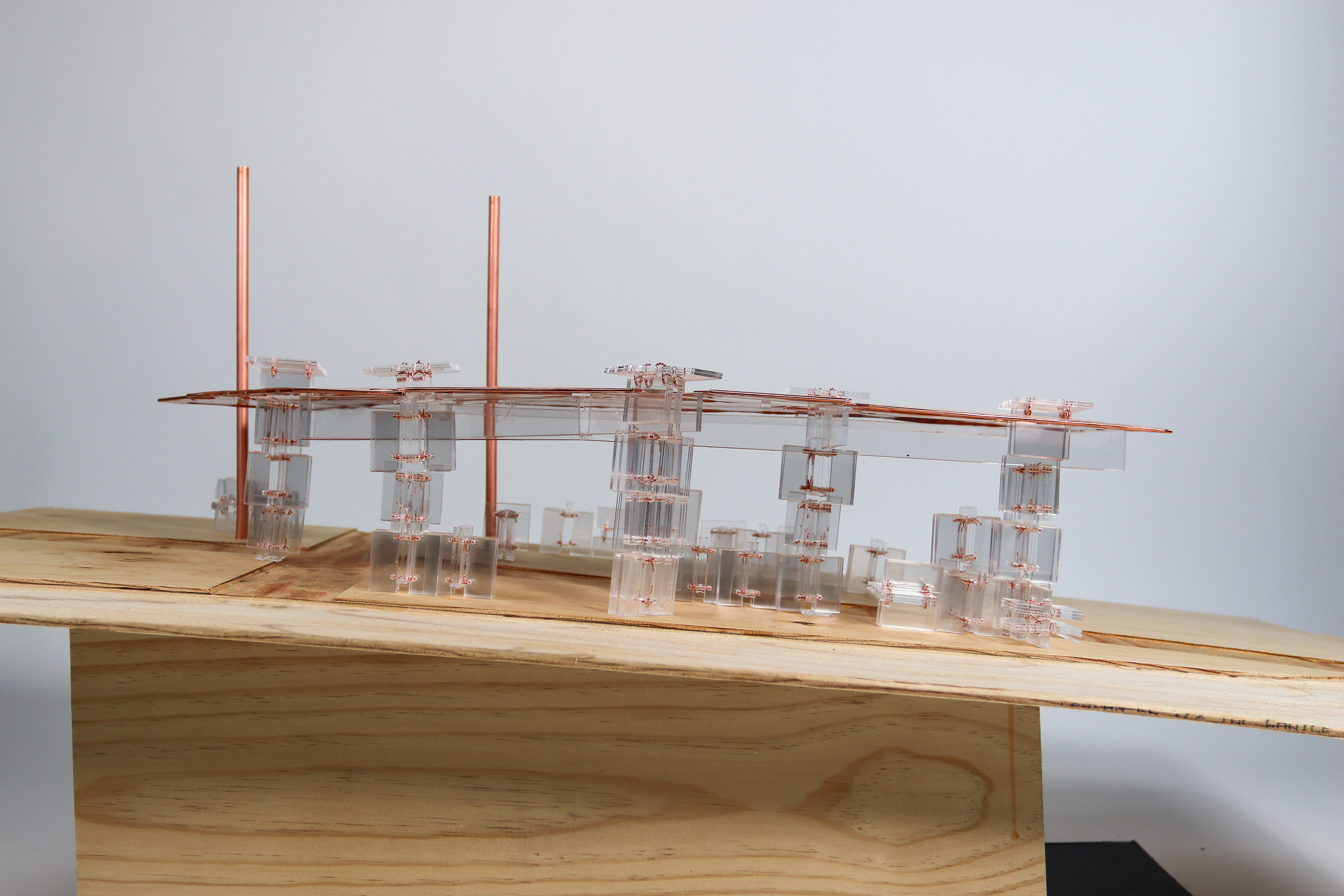
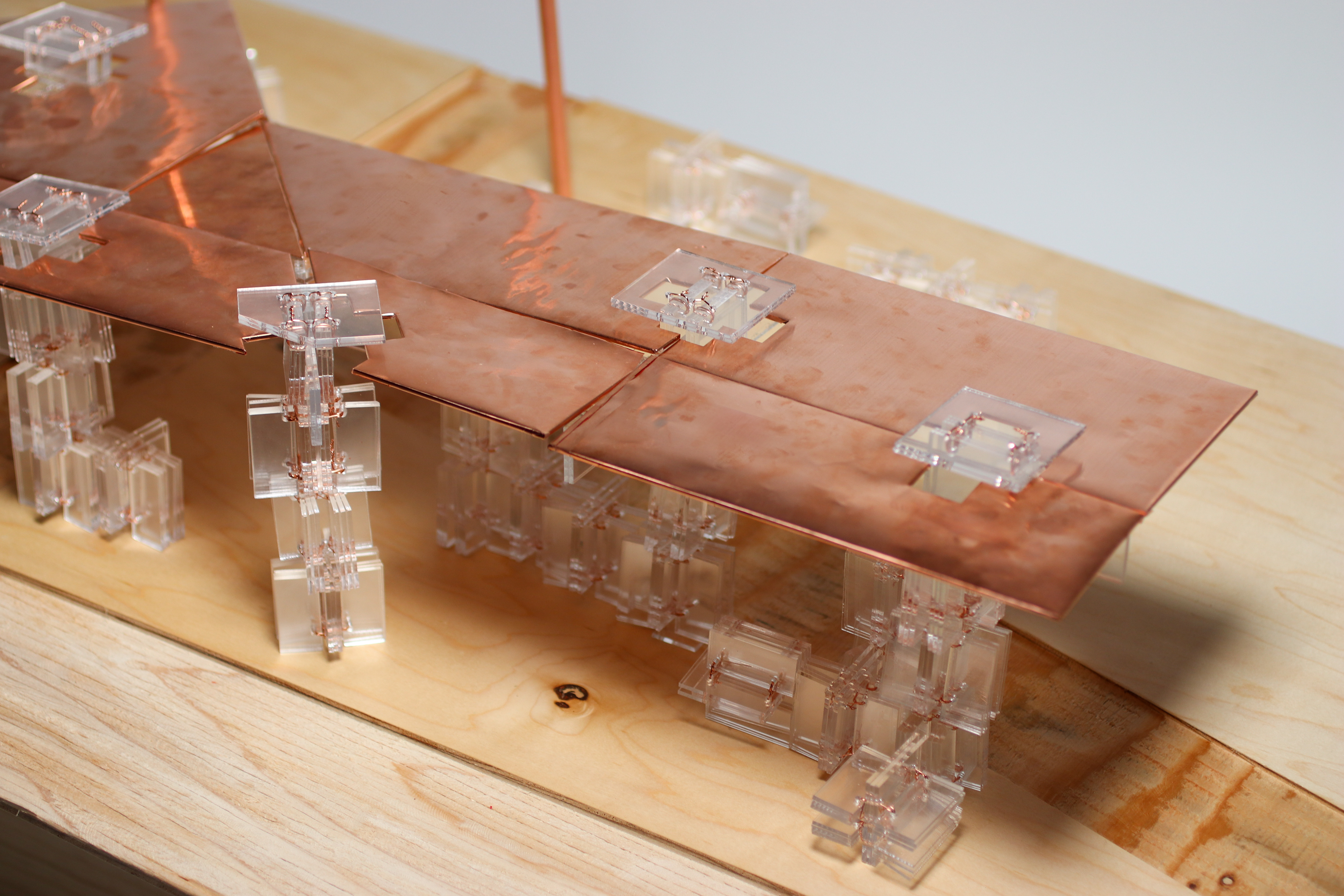
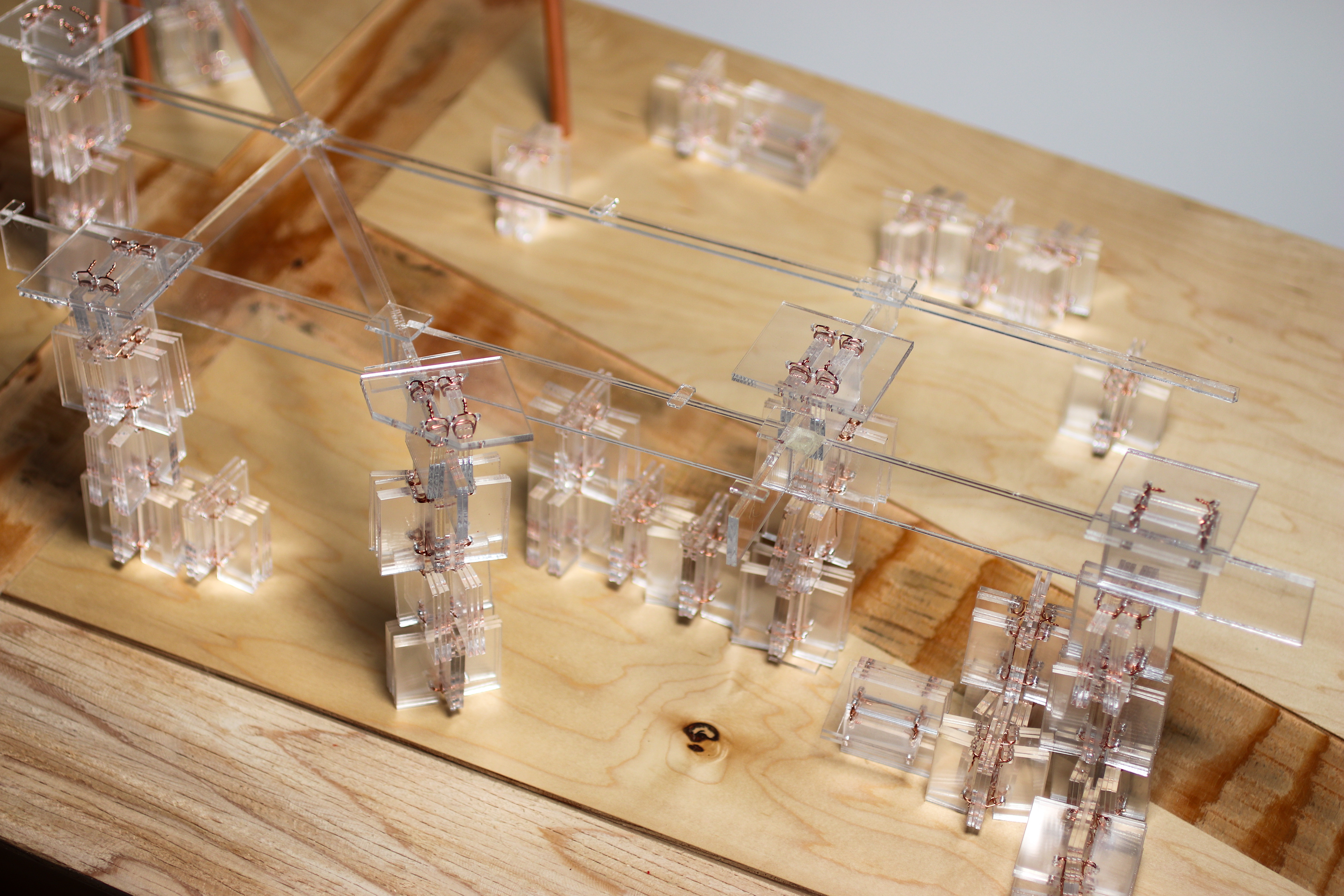
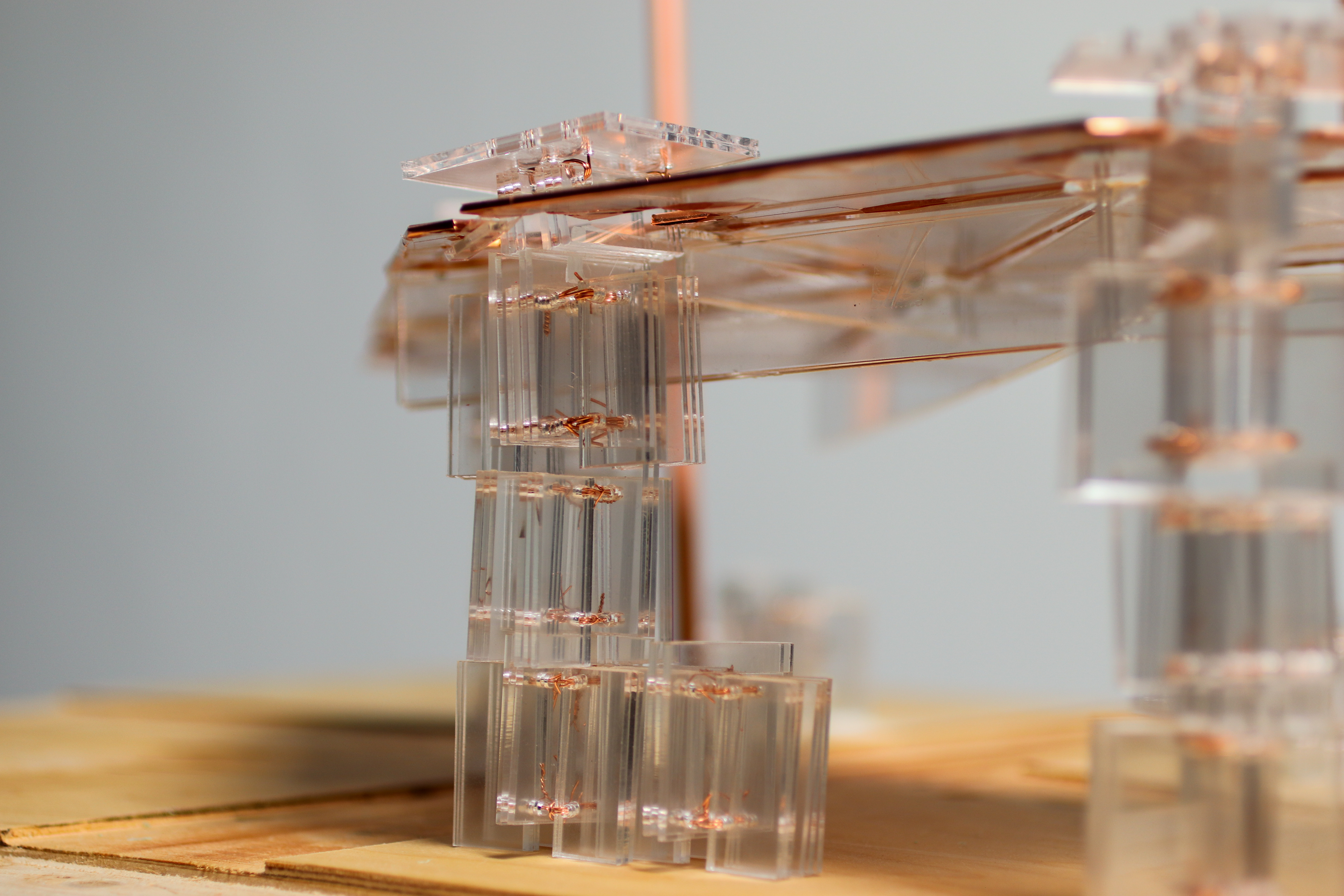
The breif asked us to build off of the bookshelfs we designed eairlier in the semester to create a bus-stop libarary. By using the same design logic as the joints I previously designed, I created glass colums that suspends the copper roof. With the pressing of glass with copper connections, I created a multifaceted bookshelf module that can be aggravated in all planes. With the selection of Bolt hall on West Campus, The analysis of foot traffic informed the design of the bus stop. The roof of the bus stop extends out into the main avenues of the entrance to allow for an inviting feel. The original module was redesigned to allow the same language throughout the bus stop, detailed with the bench areas, structural components, and book storage areas. The glass colums extend out of the roof, flooding the space below. The glass allows for the illution of a floating glass roof.
York Prize Competition//
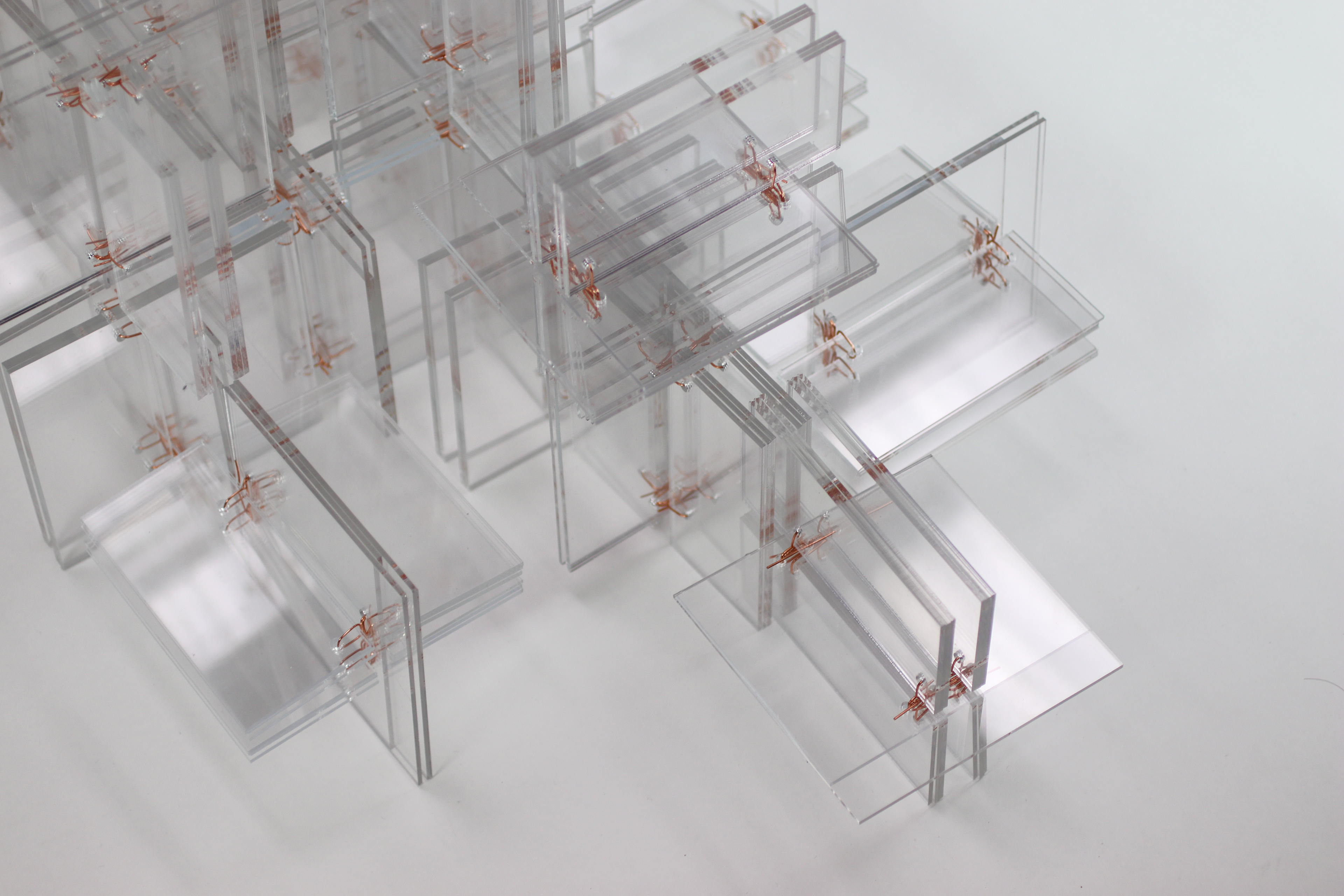
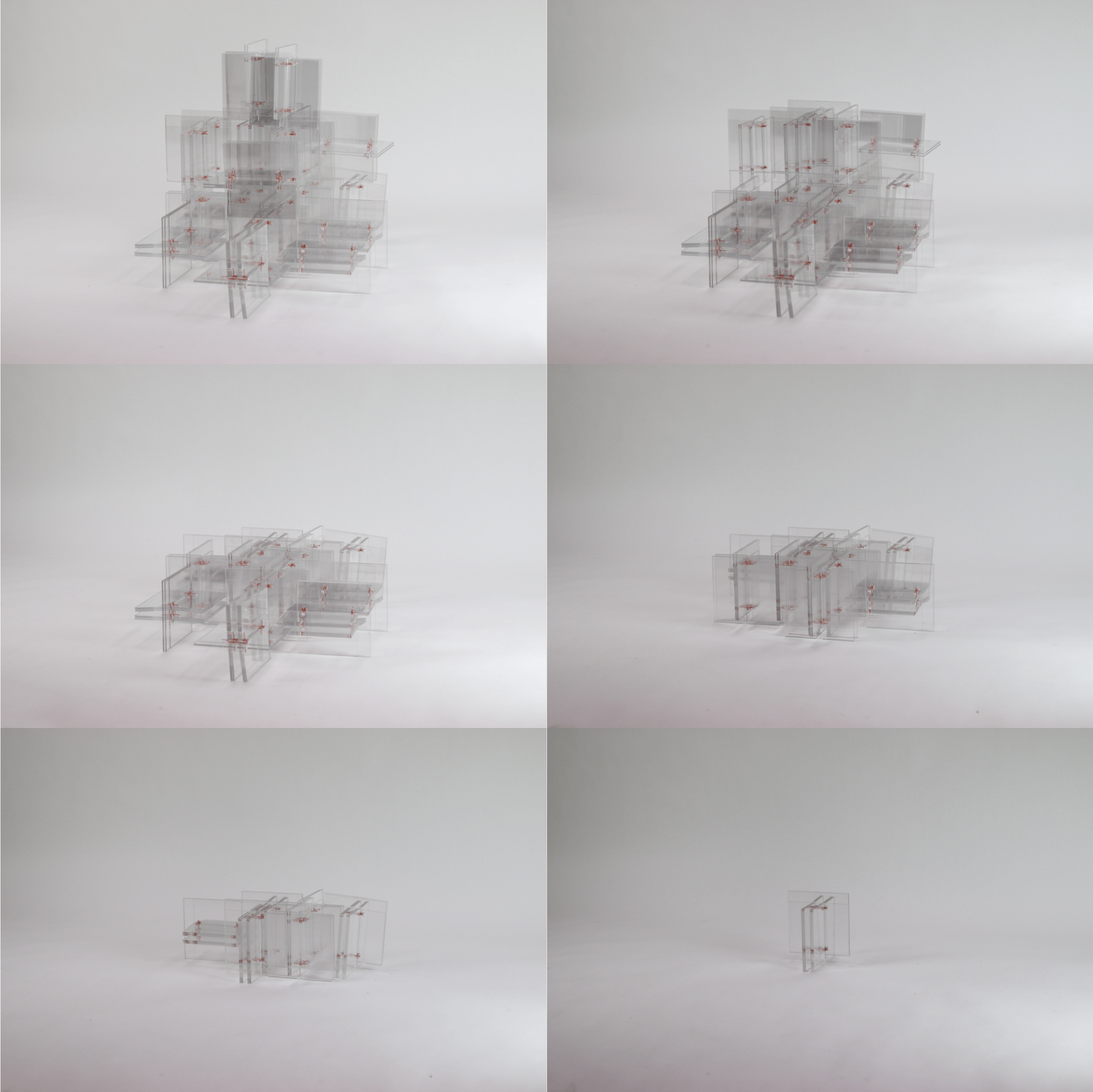
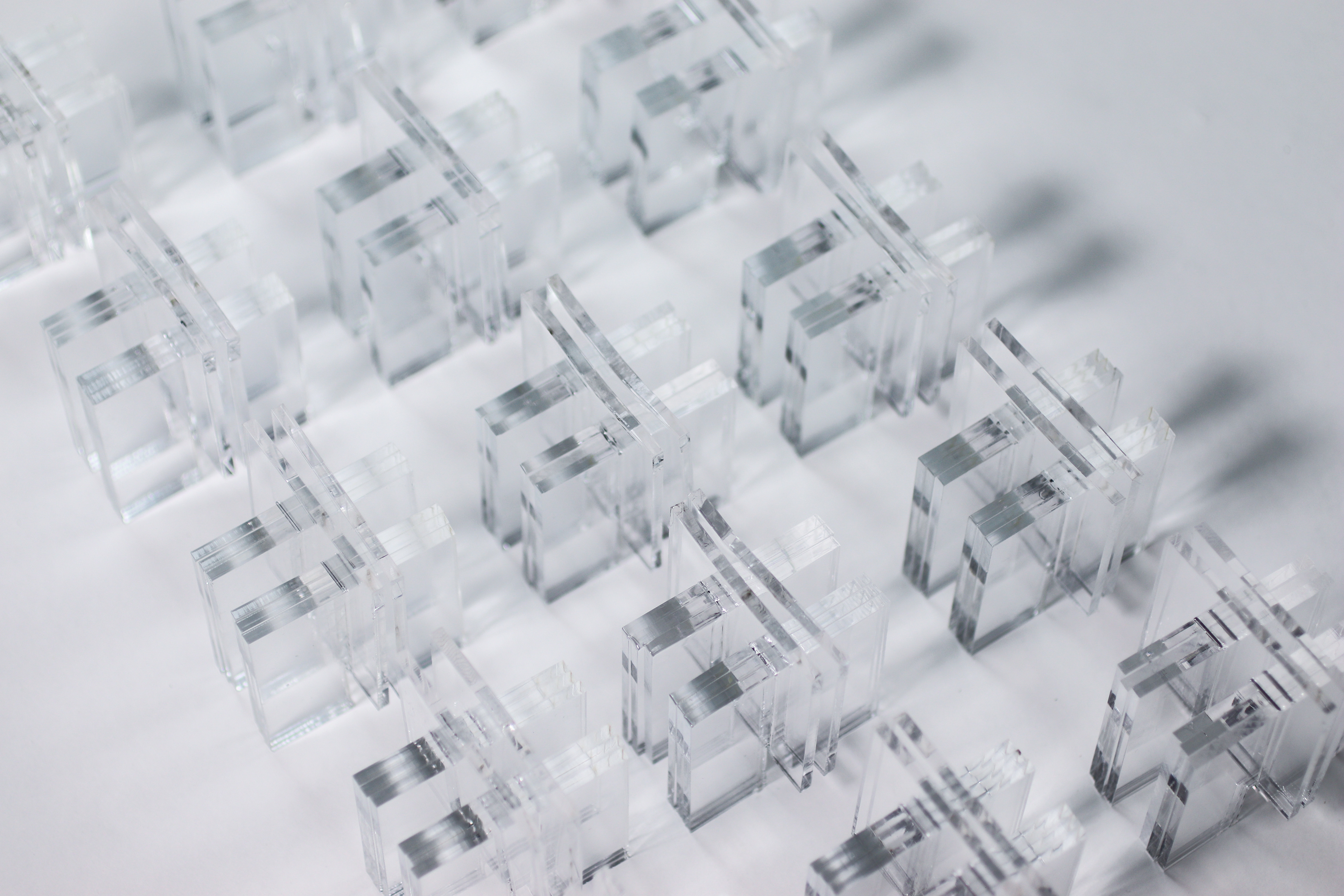
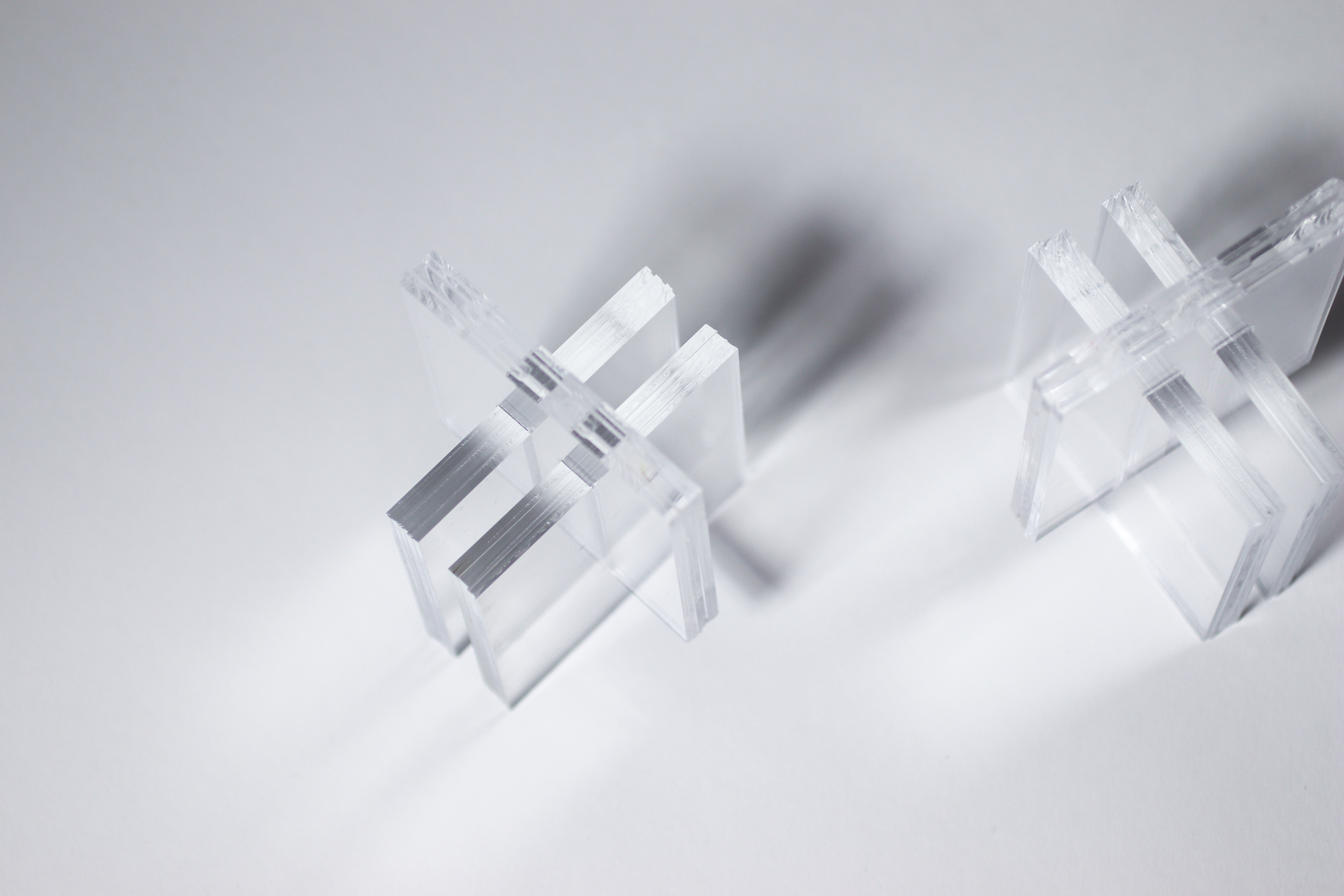
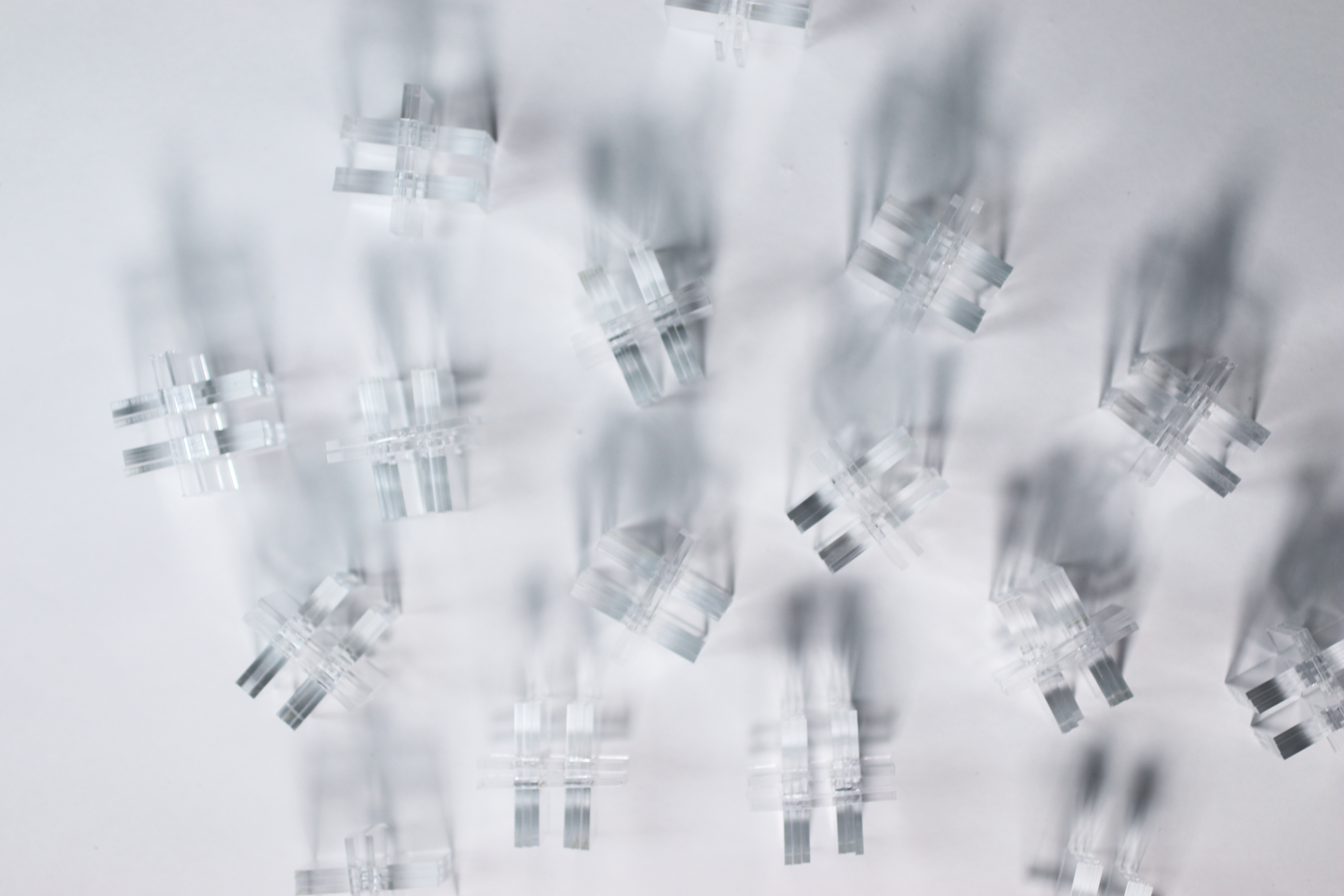
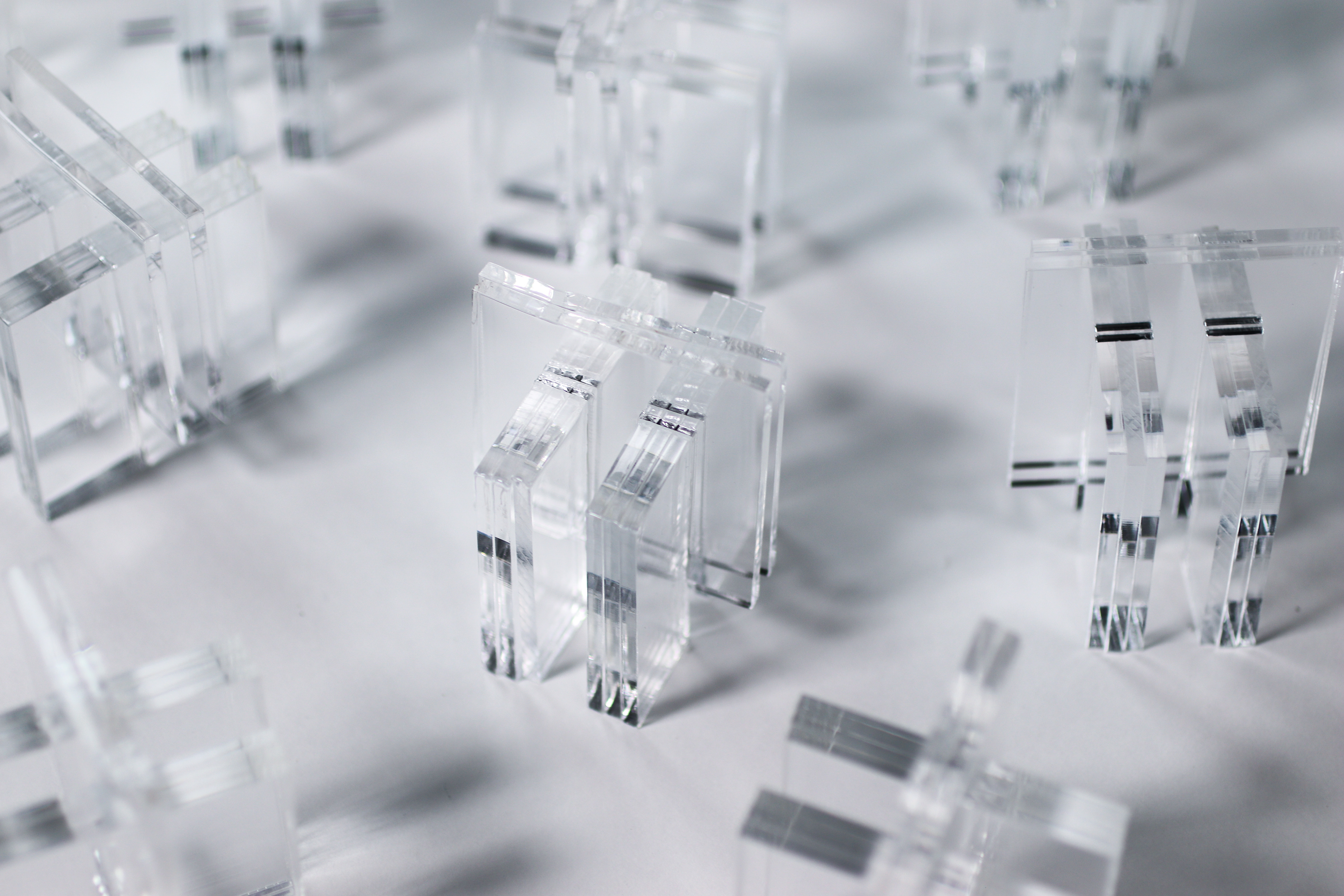
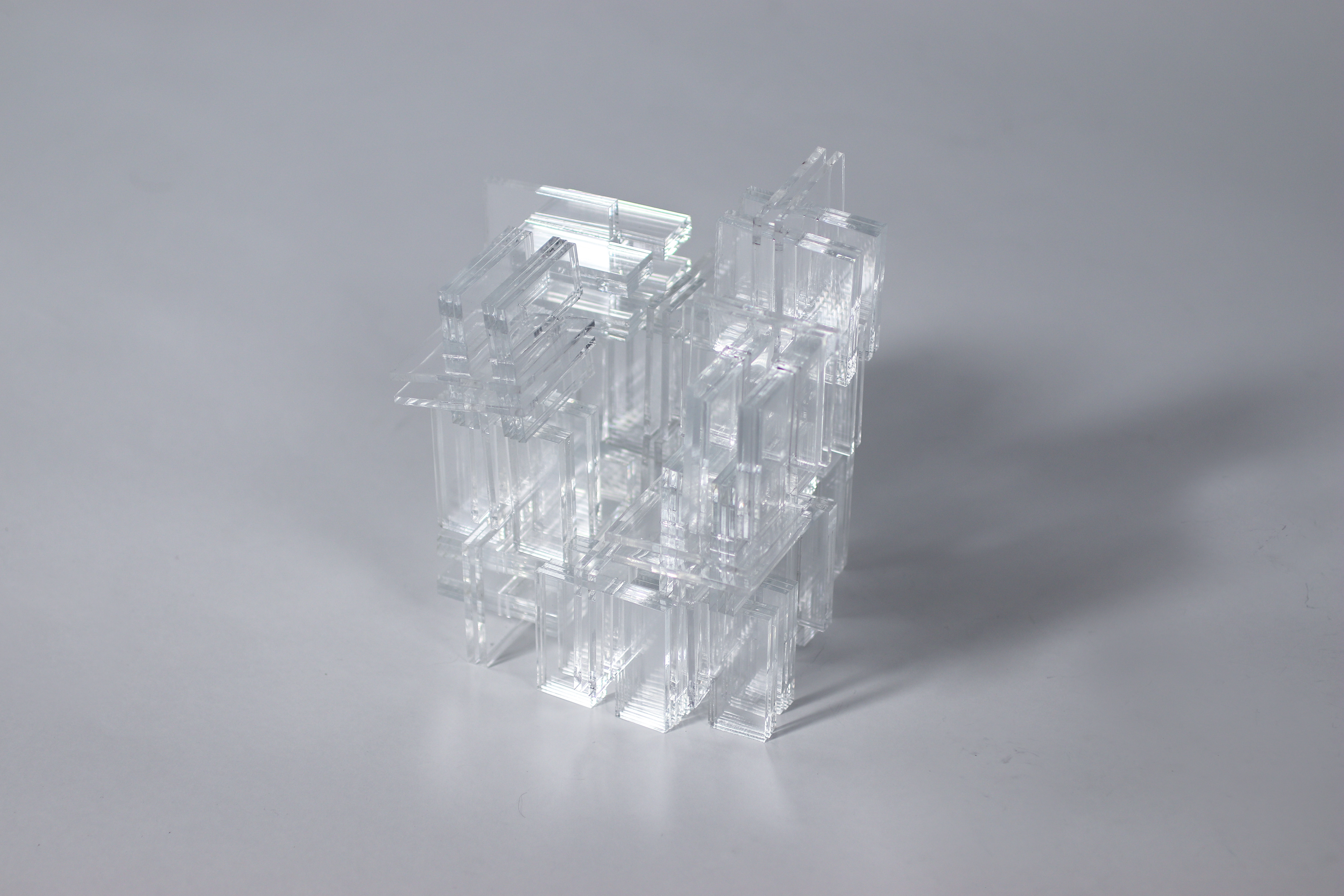
This one week unsupervised competition asked the students to use their joint and material studies from previous exercises to develop a 6 x 6 cube that explores the different conditions. With my pressing glass joint modules, I was able to create a specially complex joinery method.
Bookshelf //
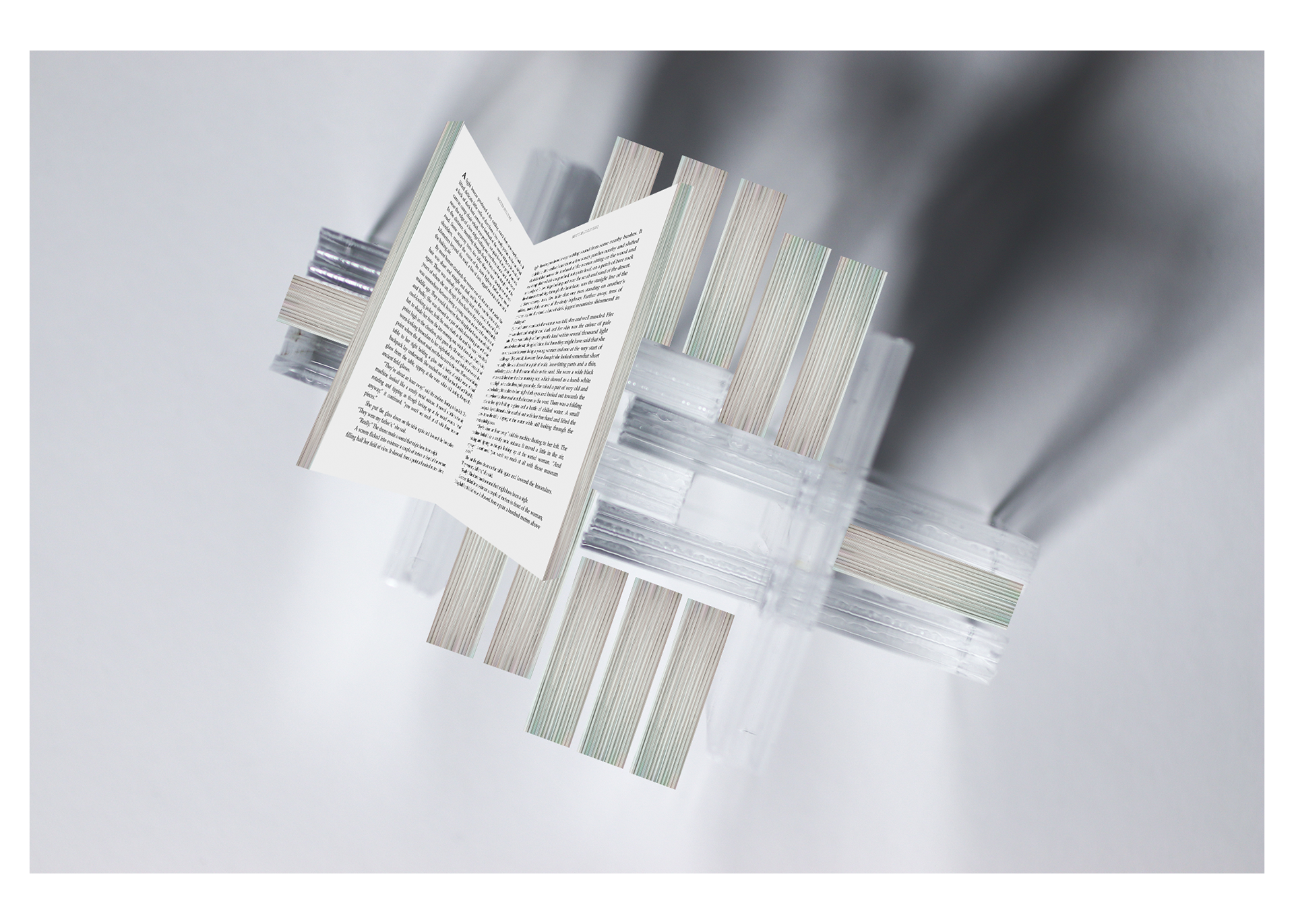
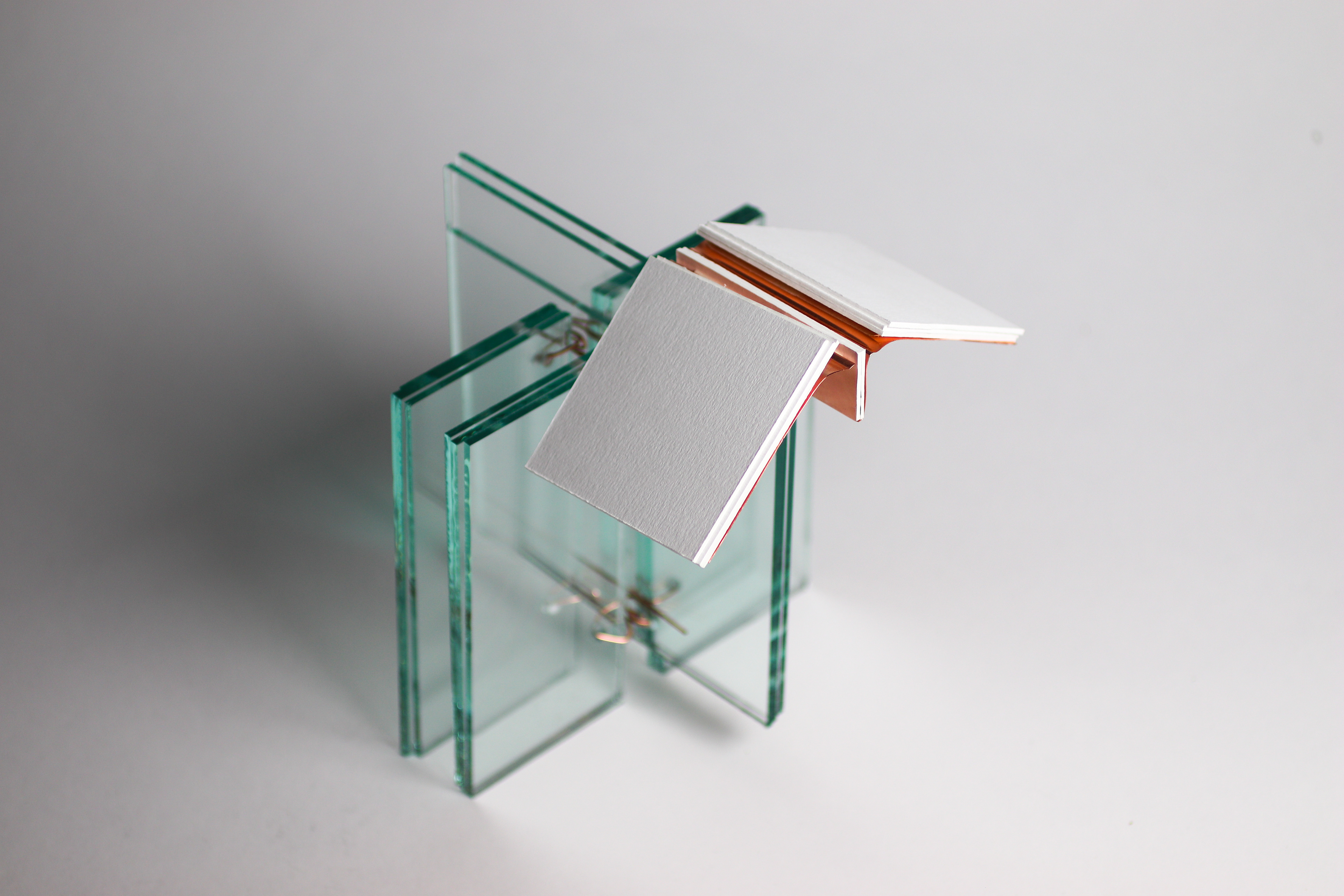
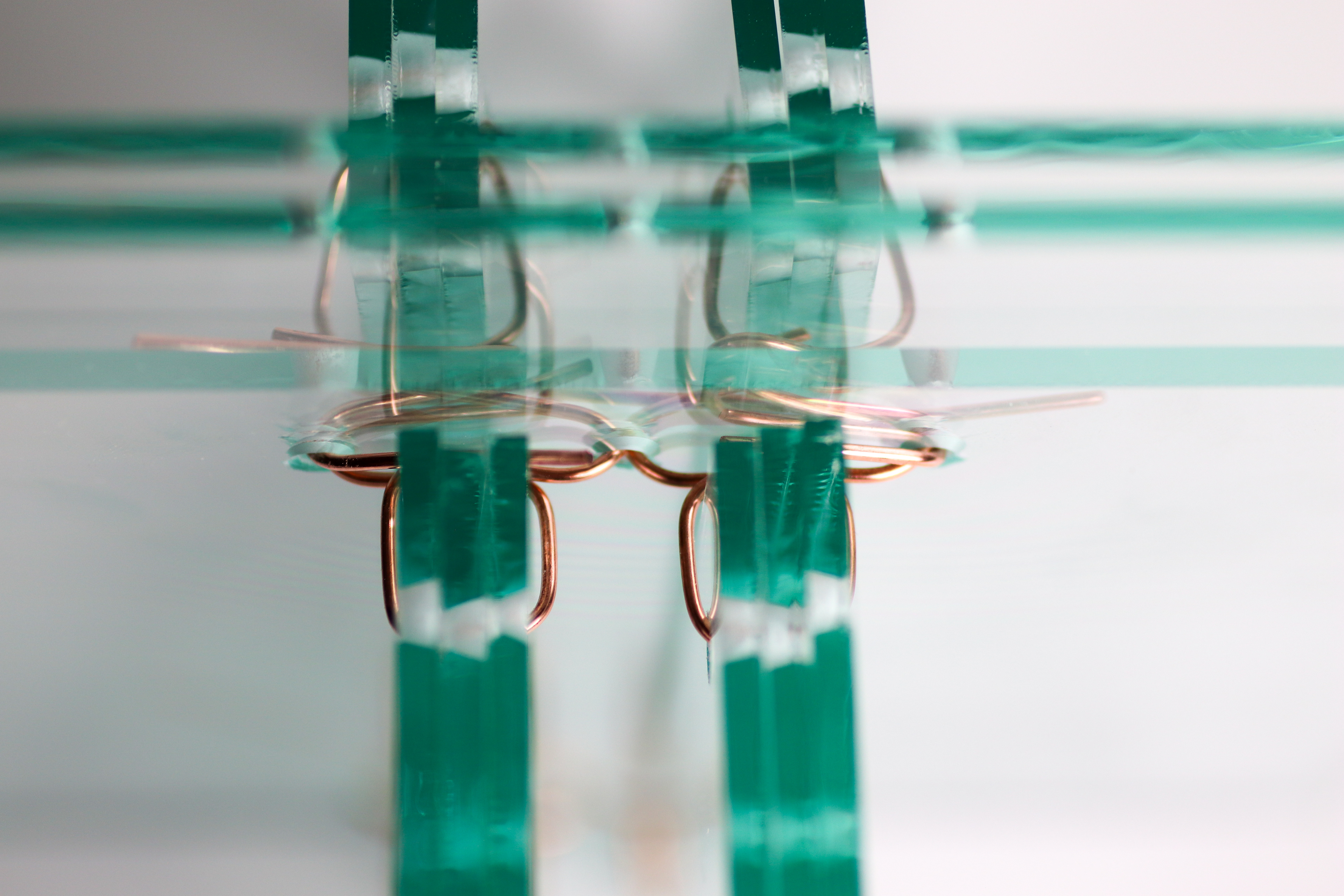
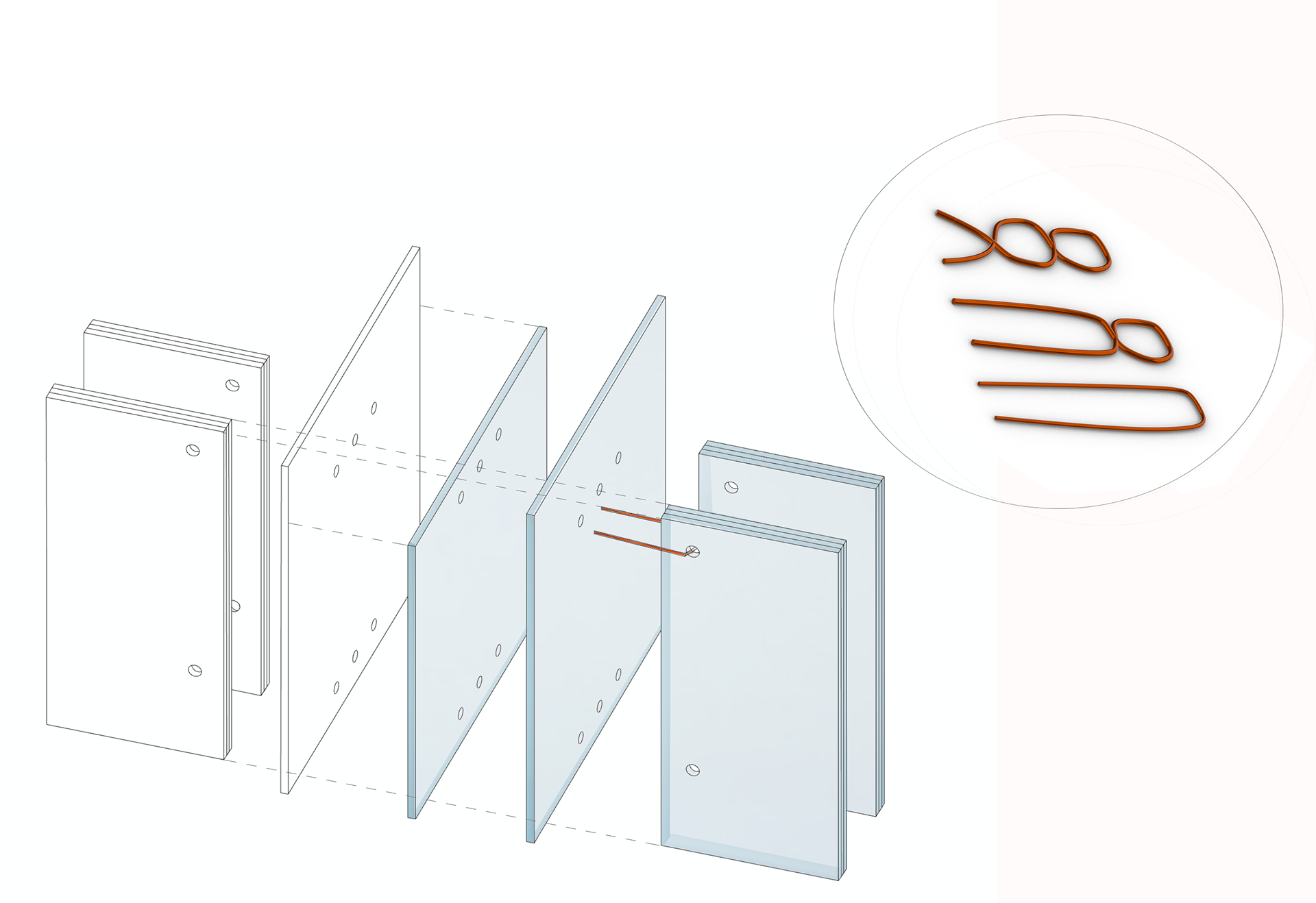
Ella Brindle and I designed and fabricated a modular bookshelf that focused on allowing the book to become the client. The modularity allowed the bookshelf to live in multiple orientations which allowed die a playful imagination of book to client use. Tasked with pressing glass and copper, we interpreted this challenge as a way to tether glass pieces together to create the over all joint. Designing the bookshelf as a placeholder for a very specific book, we fabricated a book that has details that allow the book to be displayed in multiple orientations. The book has a copper cover that incorporates the same design language that the bookshelf holds. The tongue on the spine of the book allows for the book to be displayed open with the bookshelf holding the spine securely. This modularity is not only seen working the large scale bookshelf but translates within the structure of the individual joints itself. 15 individual pieces of glass are tethered together by 8 copper wires which allowed for the pressing and structural integrity of the model. The wire acts as a minimal way of incorporating copper and allowing the transparent condition of glass to be the forefront of the module.